Recover traffic after a website migration
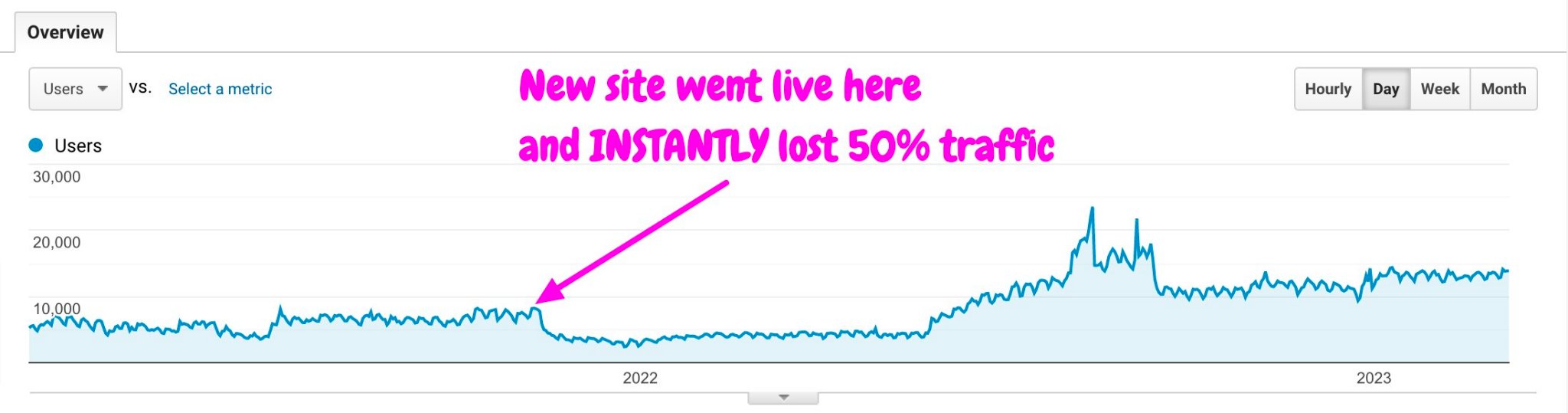
I acquired an abandoned website for $50,000 and almost immediately lost 50% of the traffic.
This is the story of how it happened and what I did to recover it!
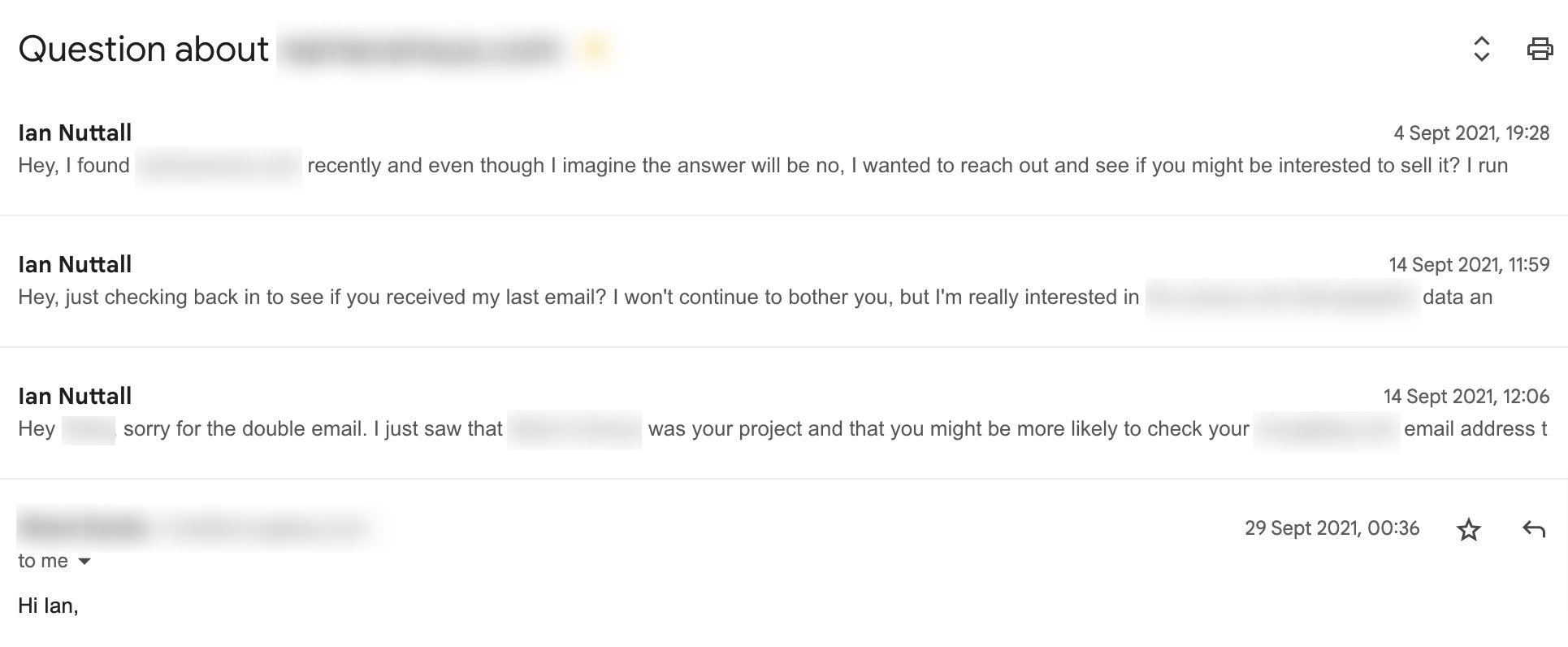
It all started with some very persistent outreach that took 3 emails and almost a month to get a reply from the seller.
Key takeaway: follow up, but don't give them the ick!
After some back and forth, I agreed to pay a 7x annual multiple. The site was earning $7,200 a year, so the sale price was $50k.
The due diligence and handover were very quick - it took just 14 days from setup to completion.
A lot of people like to migrate the site to their own servers and chill - let it settle for a few months and see how it performs
But not me 😭
The day the deal closed I began looking at data sources + figuring out how I would update this beast of a site (which had 100k+ pages)
I made the bold decision to COMPLETELY change all URLs. This was going to be a massive, sweeping change that would need a lot of 301 redirects to keep the site ranking.
I used @screamingfrog to crawl the original site and exported it to Excel so I could get my spreadsheet on.
It took a solid week for me to map all of the URLs to new, more friendly and manageable ones across 10 sections.
I also did a bunch of title tag optimisation and basic keyword research into each of the sections so I knew what to talk about in my programmatic templates.
Next up was writing 29 different templates to cover all of the sections!
I hired a developer to get the data in the right format for me - but have since rewritten that to use an API which is 10x faster.
With data in hand, I could write templates around it.
I wrote almost 20k words over 29 templates. Including:
- Variable data to hit long-tail searches
- Tables of information
- Plenty of internal linking
- Data comparisons and analysis
- Dynamic sidebars
- A citation tool
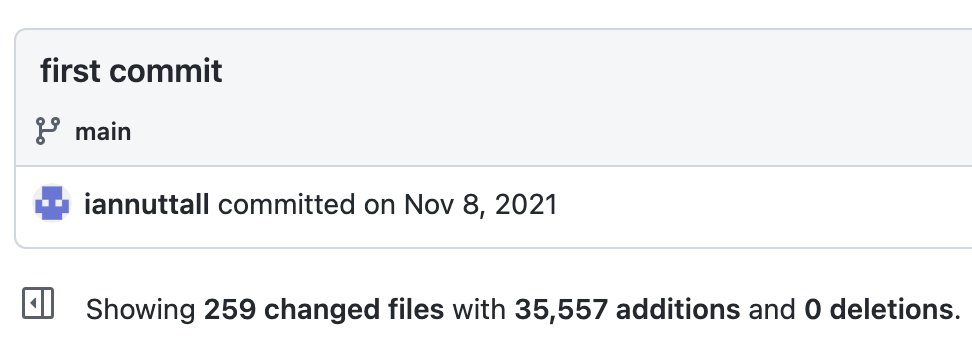
I launched the site 25 days after Escrow had closed.
And then it all went wrong...
The traffic nosedived by 40% and then increased to over 50% by the end of the week.
Unfortunately, there was a Google algorithm update at the same time as I launched.
Did I mess up the migration with the URL changes? Or had Google just slapped me?
Even though my $50k investment was looking pretty bad at this point, I didn't panic.
The original site was on AdSense and, even with the pasting from Google, I was still eligible for AdThrive.
This actually increased earnings by 50% - so I had time to fix things.
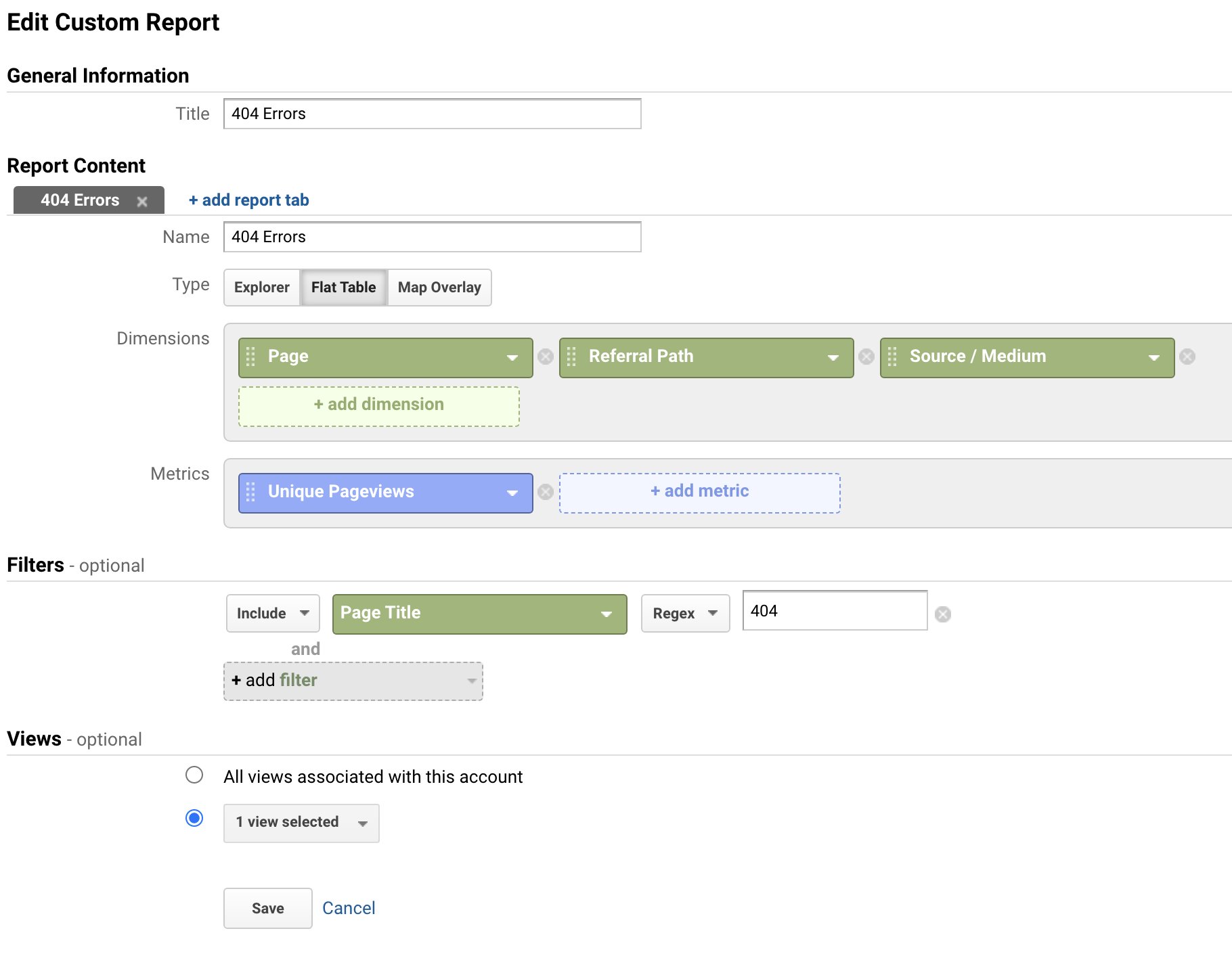
The first thing I did was set up 404 error monitoring to fix any issues with the migration.
I did this multiple times a week and must have added at least 15-20k 301 redirects as a result!
My original sitemaps were 50,000 URLs each, and I remembered reading that any more than 10,000 can affect indexing. So I changed them.
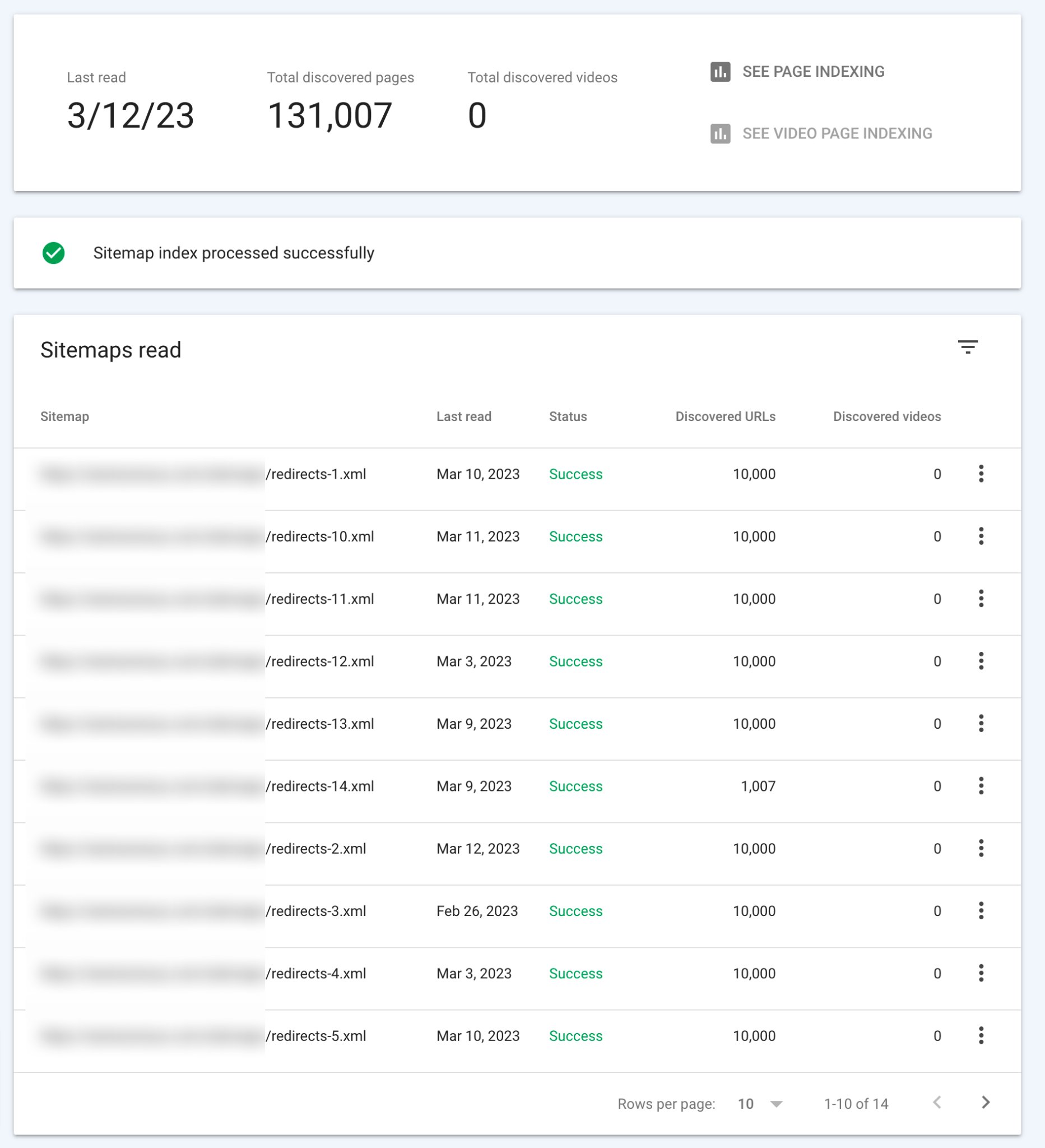
I also created a sitemap of all the old URLs to encourage Google to crawl them and see that the URL had changed.
h/t to @Adoubleagent for the sitemap suggestions!
The content on the new site was much better than the previous site, but I wanted to do more.
I hired two expert writers in the field, with a lot of experience, to produce content that I could add to the templates to improve them even more.
Then I waited. For six months.
Until the May 2022 Broad Core algorithm update.
https://www.searchenginejournal.com/google-may-2022-broad-core-algorithm-update/451783/
Signs of a recovery spiked on May 25th and 26th. Then traffic just kept rising, and rising, like a Phoenix from the ashes!
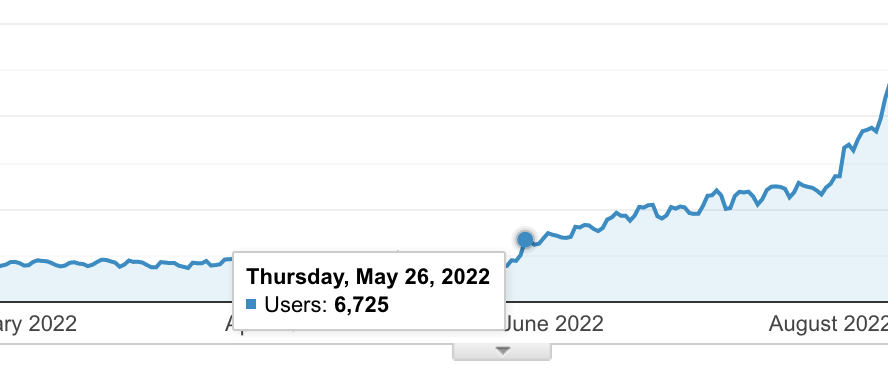
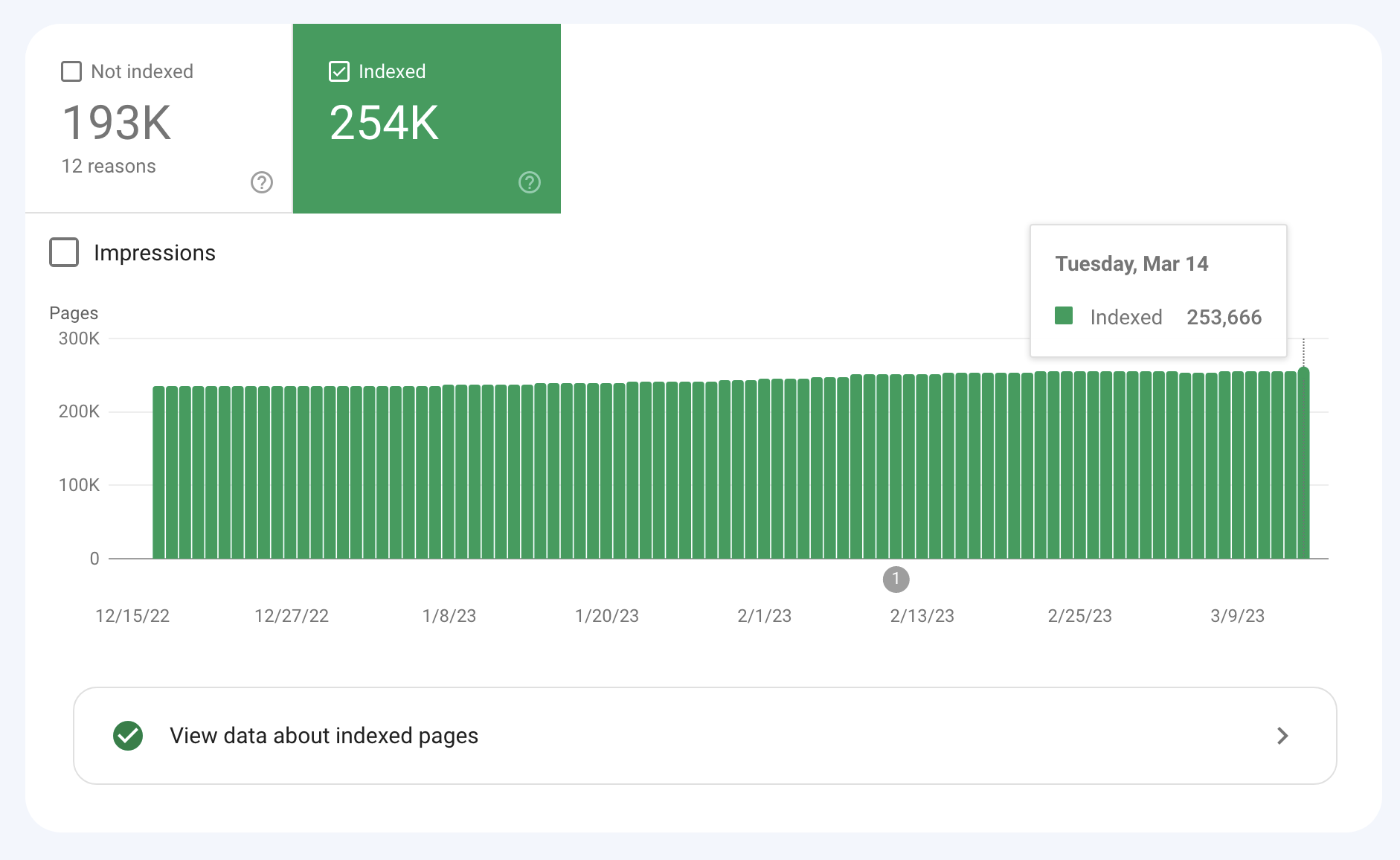
The traffic dropped off a little after this meteoric rise, but it's been stable for almost a year now:
- 250k indexed pages
- 240+ blog posts
- 13k daily visitors
- $6-7k a month in earnings
So what can you take away from this?
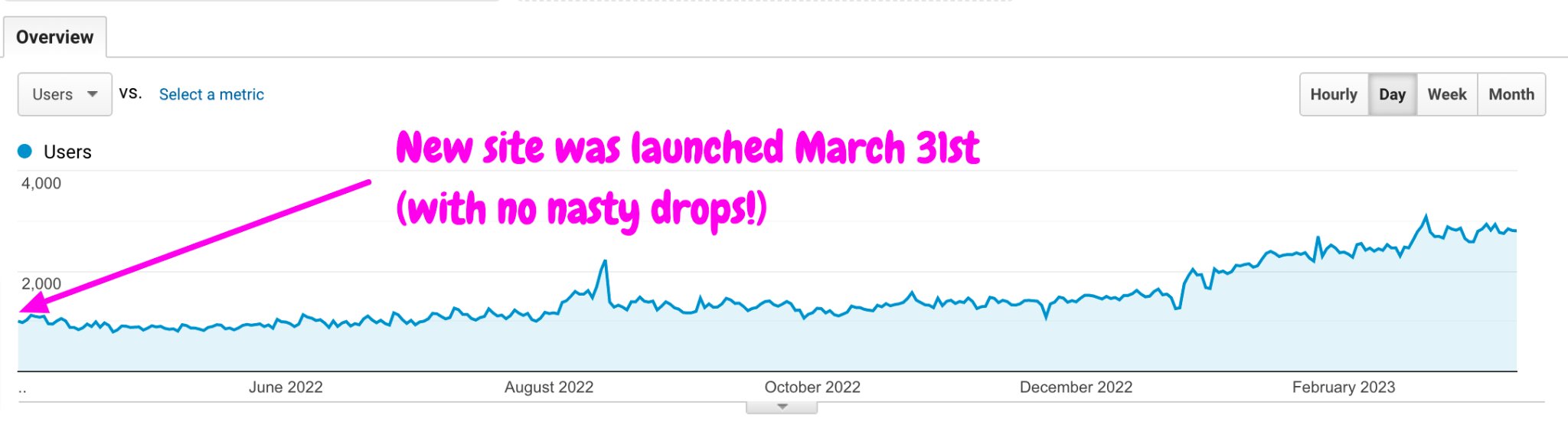
First off: never change a URL in a migration if you can help it.
Here's what the traffic looks like for a migration I did on a site with 18,000 URLs where I followed this rule.
I'd also highly recommend launching with the fewest amount of pages possible.
If I could go back, I would have migrated a handful of sections, waited for them to be reindexed, and then slowly worked through the rest.
If you have more than 10,000 URLs, it's probably too many!