How Encyclopedia.com scales with licensed content
This $1m/year business has a unique content model that let them scale to 400k articles.
In this thread, I'll show you how http://Encyclopedia.com built a 7-figure business with 2.5m+ visitors a month (and how AI could take them to the next level)

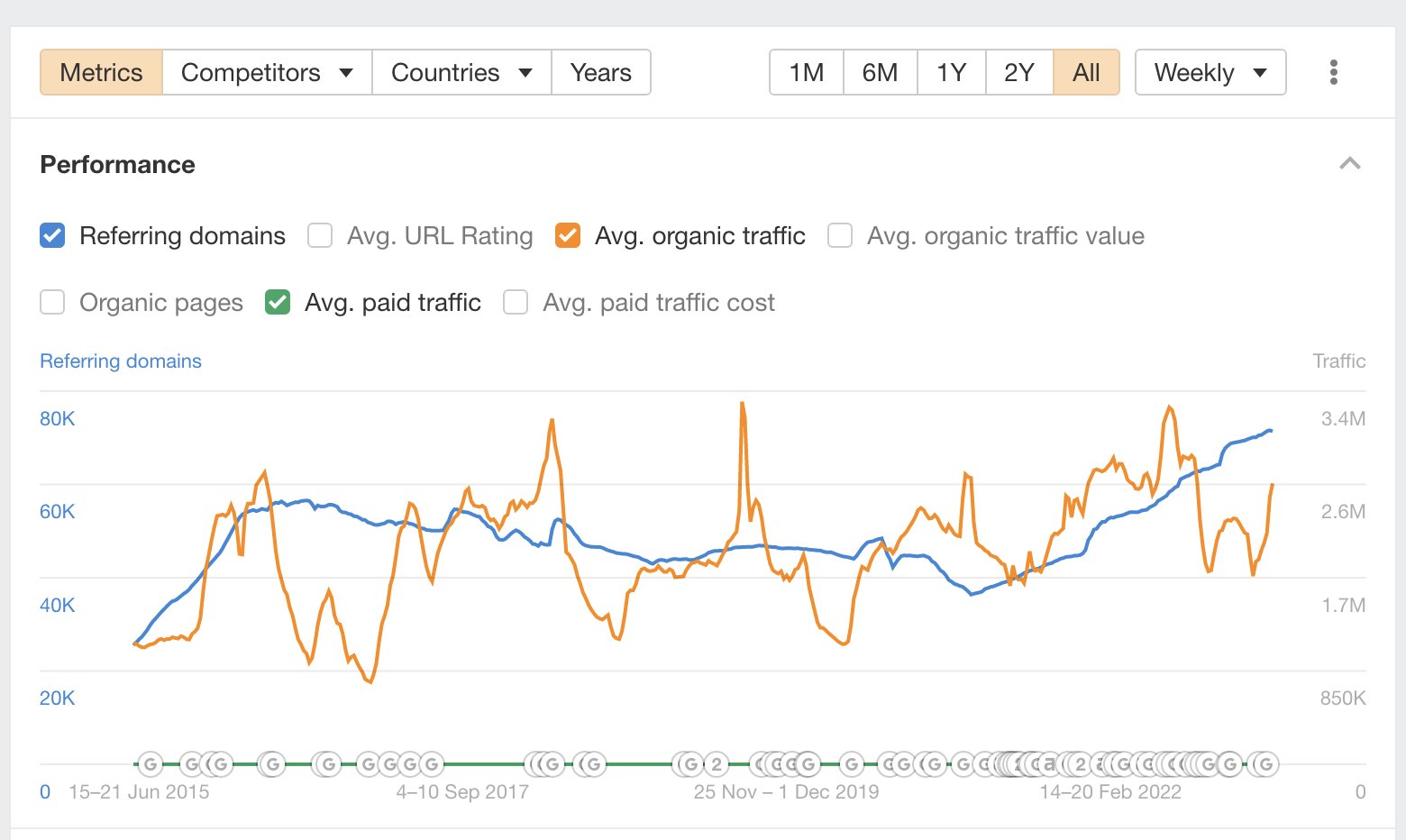
I actually found out about Encyclopedia a couple of years ago but discovered them again recently in http://NicheSiteMetrics.com and thought the story was worth telling. First, the numbers...
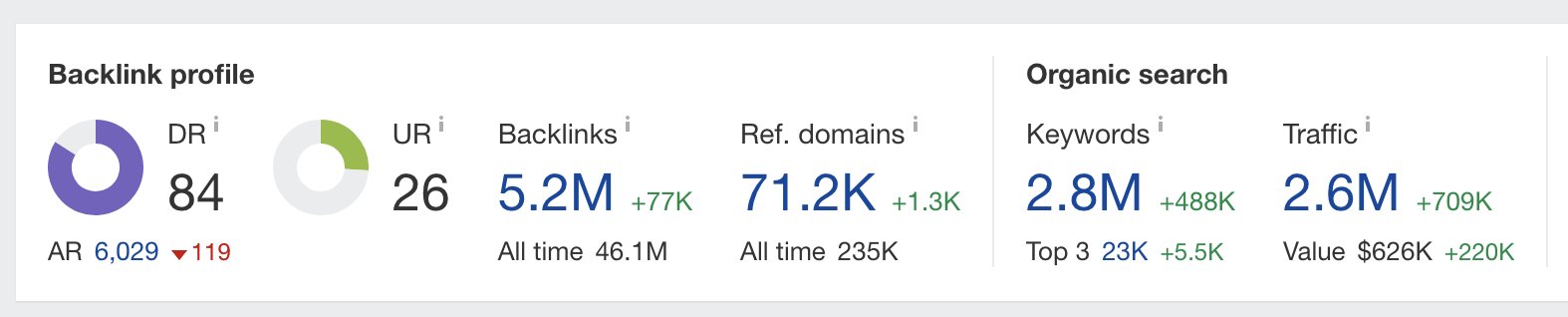
According to Ahrefs, they get 2.6m visits a month. This is about 50% less than the actual traffic they get! Don't ask me how I know...
I would guess that pages per visit are low, with sessions around 7m a month.
At an RPM of $15, that's $105,000/mo in revenue or $1.2m a year 🤑
So what are they doing that makes them stand out from other online publishers?
Well first, they have an absolutely killer, category-defining domain name!
I've tried to acquire a single-word .com recently, so I know it's worth mid-six figures in the current market.
The VERY interesting part of their strategy though, is this:
The vast majority of their content is licensed from books and journals and published on the site AS-IS.
They cite those sources in the article, but the link goes to internal pages. Very clever.
So where are they getting the content?
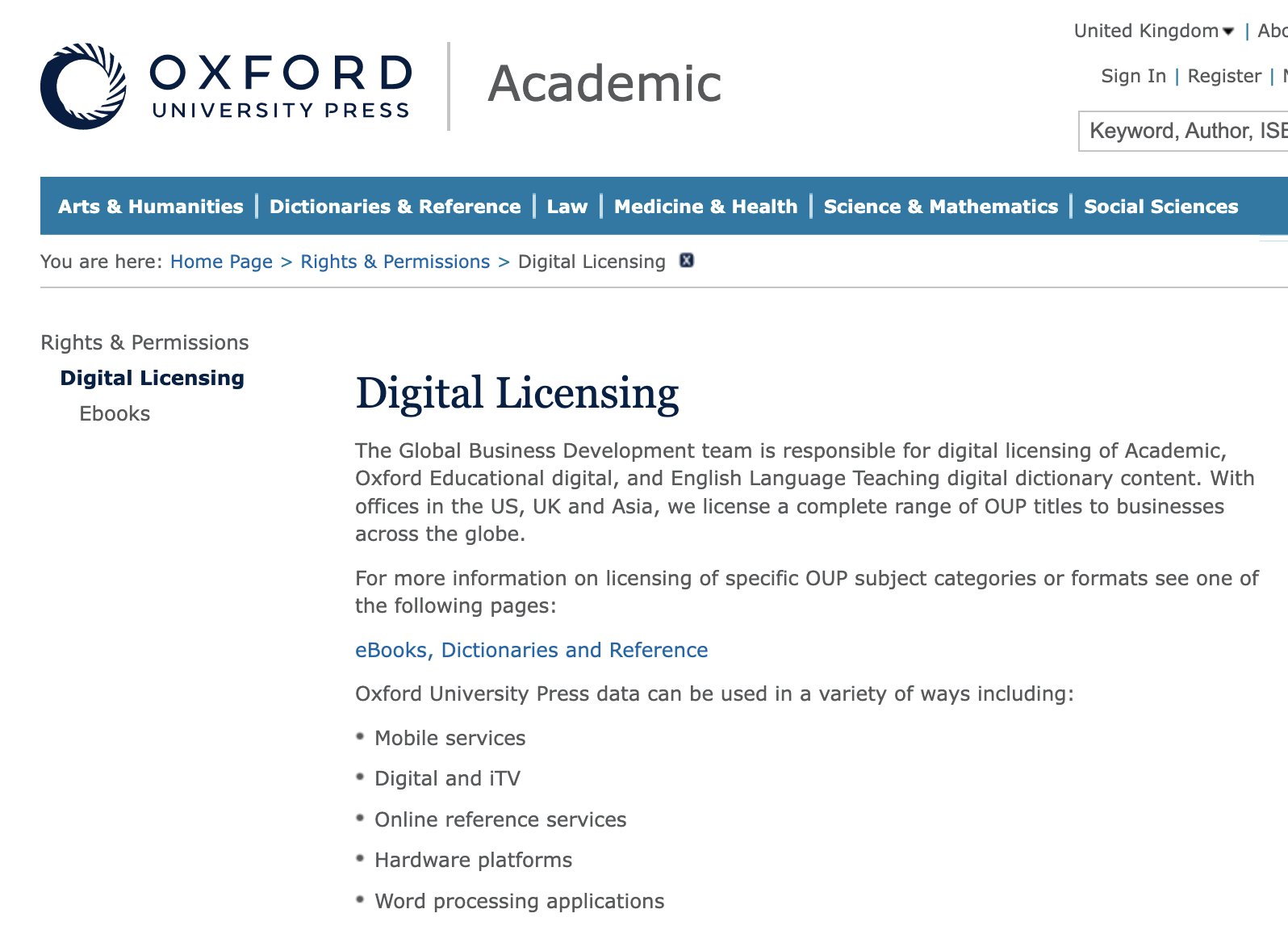
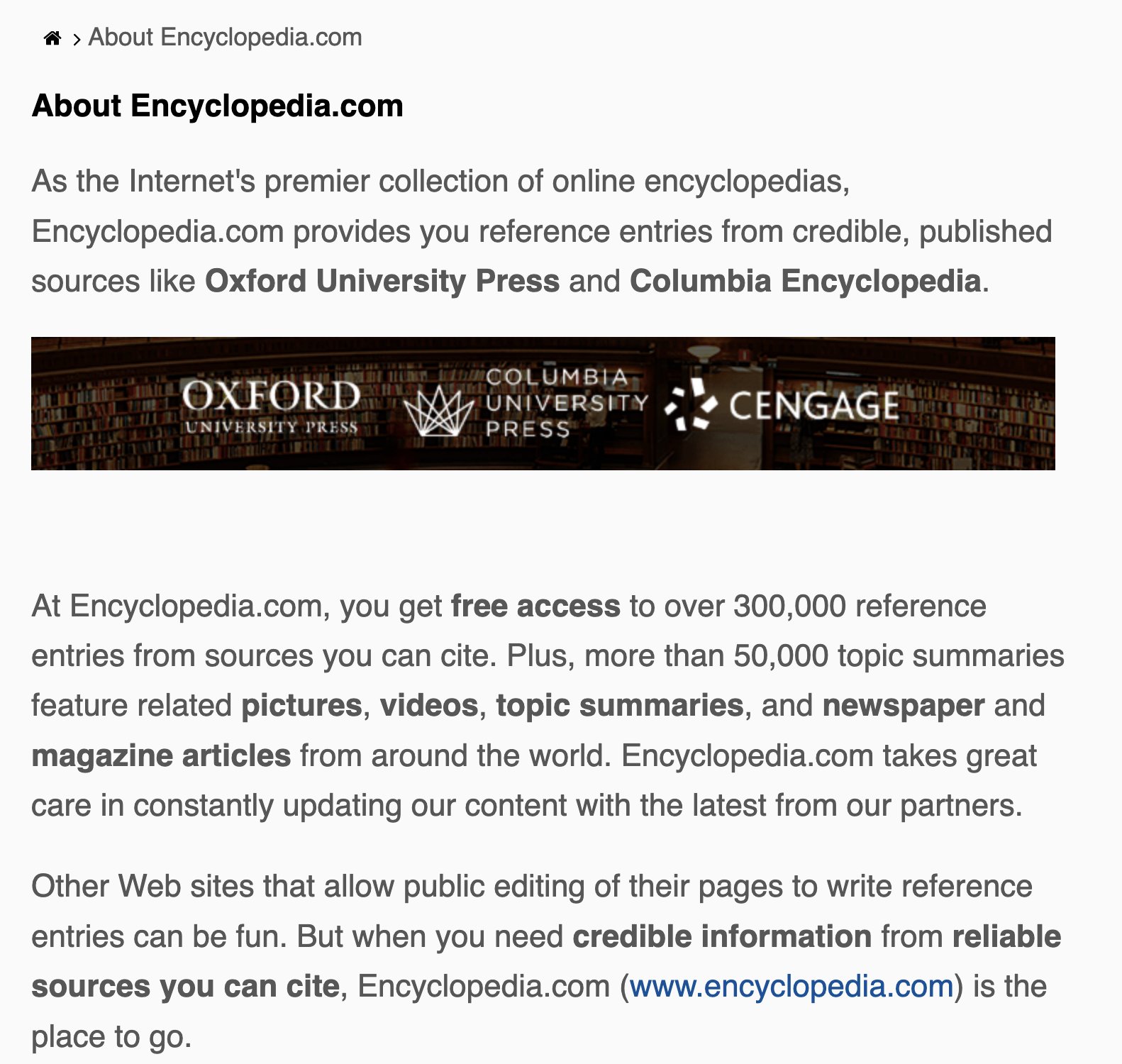
They tell you directly on the about page the different sources that let you license content for use in this way:
- Oxford University Press
- Columbia University Press
- Cengage
This is a really smart approach because there is a lot of content in old books and journals that are not published anywhere online!
The licensing costs ARE a barrier to entry, with deals at the volume of Encyclopedia costing $100,000+ per year.
For them, it makes sense though!
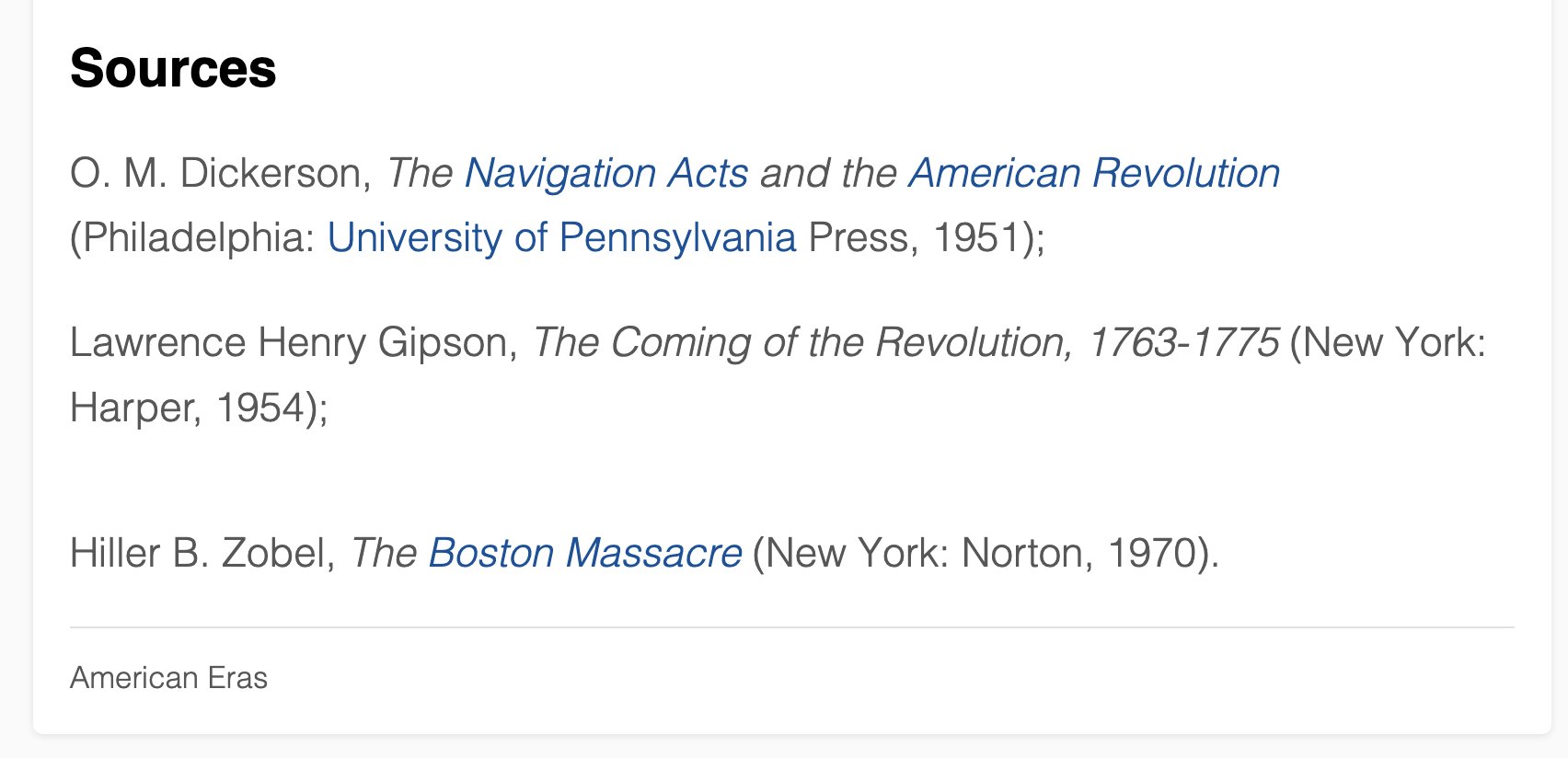
Here's an example of an article which was sourced from Cengage (credited at the top of the article)
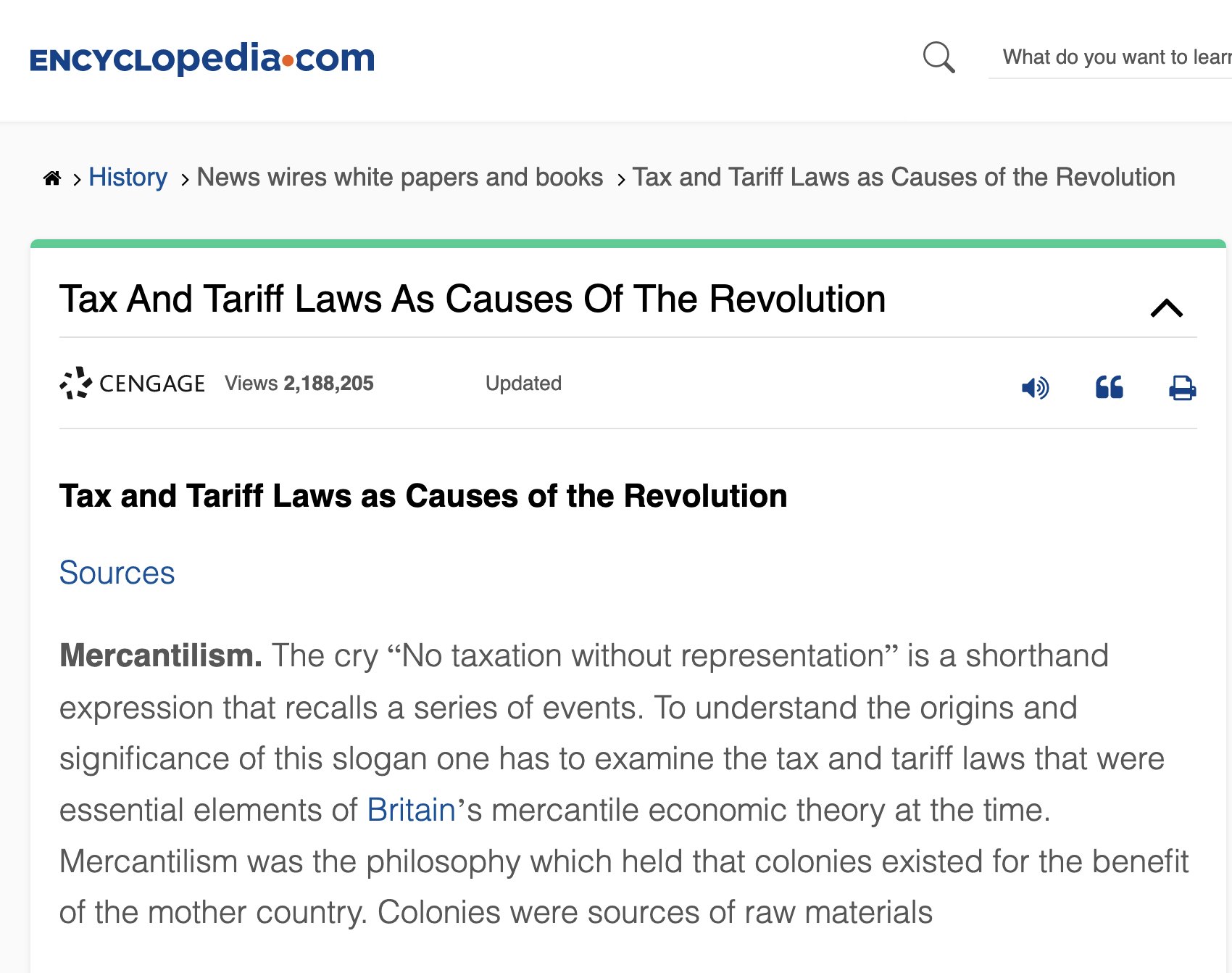
The content is directly sourced from the American Eras book series by author Robert J. Allison.
https://www.amazon.com/American-Eras-Revolutionary-1754-1783-Manly/dp/0787614807
I found the book mentioned as part of a primary series source in this PDF by Gale, a Cengage company.
If you have a world-class domain like Encyclopedia, with all of the backlinks and authority that come with it, posting directly from sources like this is relatively simple + articles will rank quickly.
But what about if you're starting from scratch, or with much less authority?
A couple of ideas:
1. Try posting as-is by licensing 10-20 pieces of content relevant to your niche. If it ranks, you can scale it.
2. Combine licensed content to create new, original articles.
3. Hire a writer/editor to modify the source content and add commentary or analysis.
The big win here, obviously, would be to leverage the AI options available to you!
First:
- Extract themes and topics from the content + export them to Excel.
- Perform keyword research on those topics to find terms being used to discover similar content.
Now you have the licensed content and a list of keywords people use to find that type of content.
You can feed them both to GPT, asking it to rewrite the content with a new focus on those provided keywords.
Tweak and refine your prompts to keep it tightly focused!
I've done a similar thing on a smaller scale recently, prompting GPT 3.5 with existing content and asking it to expand on them. Early signs are very good! (more on that later)
This hybrid approach to content is going to become mainstream, if it isn't already, where every article will be a combination of:
1. Existing content (via writers, books, journals)
2. Human editors
3. AI tools and services
4. Data collections
5. Social commentary
And that's it. Do you have any ideas on how licensed articles and books could be combined with AI + human edits to scale a content business? Let me know.